
From Luxury Travel to Surgical Tourism
Once upon a time, air travel was reserved for the wealthy. Over the decades, it evolved — from business trips to leisure vacations — and now, into something new: medical tourism.
As travel became easier and communication faster — first through phones and email, then with the internet — the world got smaller. For medicine, that meant patients could suddenly see, hear, and connect with surgeons across borders.
Virtual consultations became routine. Patients watched YouTube videos, read blogs, browsed before-and-after photos, and chose their surgeon based on online presence, not just geography.
And Then Came the Boom
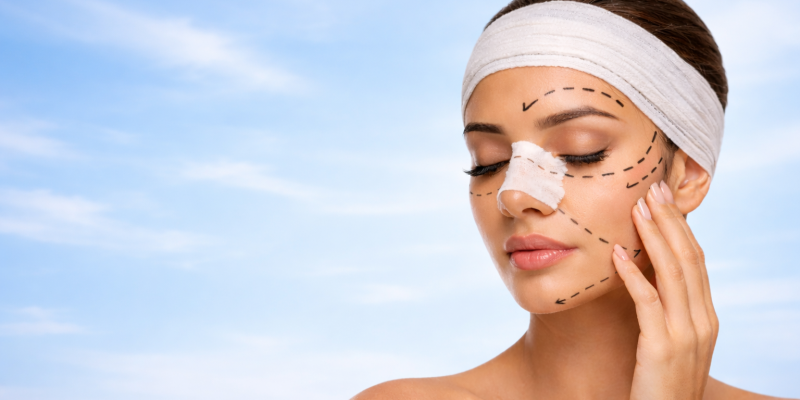
Today, if you’re flying back from Turkey, you might see fellow passengers with nasal casts or freshly implanted hair grafts. Turkey has become synonymous with rhinoplasty and hair transplants, just as Mexico, Brazil, Costa Rica, and the Philippines have emerged as plastic surgery destinations.
Even within the United States, domestic surgical travel is rising — patients fly to other states for better pricing, technique, or surgeon reputation.
My Experience with Out-of-Town Patients
About 15 years ago, I started recording some of my more interesting procedures. Although I didn’t enter academia, my desire to teach and share knowledge remained strong. My videos were originally intended for residents and surgeons, but to my surprise, patients found them — and liked them.
They appreciated that I explained procedures clearly, calmly, and without ego — not like a stern professor, but more like a friend.
Then one day, a patient from another state called and asked if I took out-of-town patients. I actually tried to refer them to a local surgeon — but they insisted on coming to see me. That marked the beginning of my national and international practice.
Today, we’ve seen patients from across the U.S. — and even as far as Australia. My team has developed specific protocols to support out-of-state and global patients.
Surgical Travel: The Pros and the Pitfalls
Traveling for surgery can be a good option, but there are serious risks that patients must consider.
While many enjoy smooth recoveries and beautiful results, some run into complications — and find themselves stranded, unsure of where to turn.
Here are a few real-world examples from my own practice:
🚨 A Complication from Brazil
Years ago, I was on call at the ER when I got a panicked call from a doctor. A woman had recently returned from Brazil after getting breast implants. She developed pain, redness, and fever. When examined, her incisions were open and draining pus — exposing the implants.
The ER physician was speaking so fast I couldn’t even tell him, “I’m a facial plastic surgeon. I don’t do breast surgery.”
A Nose Done in the Philippines
One of my current patients had rhinoplasty in the Philippines using silicone and Gore-Tex grafts. She developed inflammation, pain, and complications. She couldn’t go back overseas — so I stepped in. She required multiple revision surgeries, and while we’ve improved things, her nose will never be the same.
Disappointed from Turkey
I’ve treated several patients who had rhinoplasty in Turkey but were unhappy with the results. Some sought me out to reverse or improve what was done.
The Bottom Line
I’m not against surgical travel — in fact, I support it when done with caution and the right preparation. But patients need to understand the risks, especially:
- Lack of local post-op care
- Difficulty managing complications
- Limited recourse if things go wrong
Generally speaking, traveling to the United States for surgery is safer, due to:
- Strict quality control
- Board-certified surgeons
- Strong oversight and patient protections
A facelift is a powerful tool for rejuvenation, but it requires a careful balance of technique, patient education, and realistic expectations. By being well-prepared—both before and after the procedure—you can help ensure that your journey is as safe and successful as possible.
If you have any questions about the risks or if you’d like to discuss your personal situation, I’m here to help.
💬 Ready to Learn More or Schedule a Consultation?
Contact my office for a detailed discussion about your facelift options and how we work to minimize risks while maximizing results.